HELP US REBUILD BNEI NEVIIM ACADEMY
For the past few years, Bnei Neviim Academy has been a lifeline for boys who had nowhere else to learn. In our small, improvised spaces they finally felt safe, seen, and connected to Torah through real projects, coaching, and responsibility. With your help, we can reopen legally in Beit Shemesh and give these boys and many more like them a place to thrive.
READY TO UNLEaSH YOUR SONS INNER HERO?
REGISTER FOR BNEI NEVIIM ACADEMY BEIT SHEMESH
About
Bnei Neviim Academy is an integrative leadership academy for boys who do not fit the conventional school system.
We design education around intrinsic motivation, mastery, and purpose. The core of the program is experiential Torah learning, project-based secular studies, and explicit coaching in life skills, all aligned with the stages of development of each student.
Boys set goals, choose learning pods with guidance, and track their own progress. They are expected to think about their decisions, understand consequences, and use the school framework to build a stable, authentic relationship with Hashem that is connected to daily life—family, learning, work, and community.
Who Our Students Are
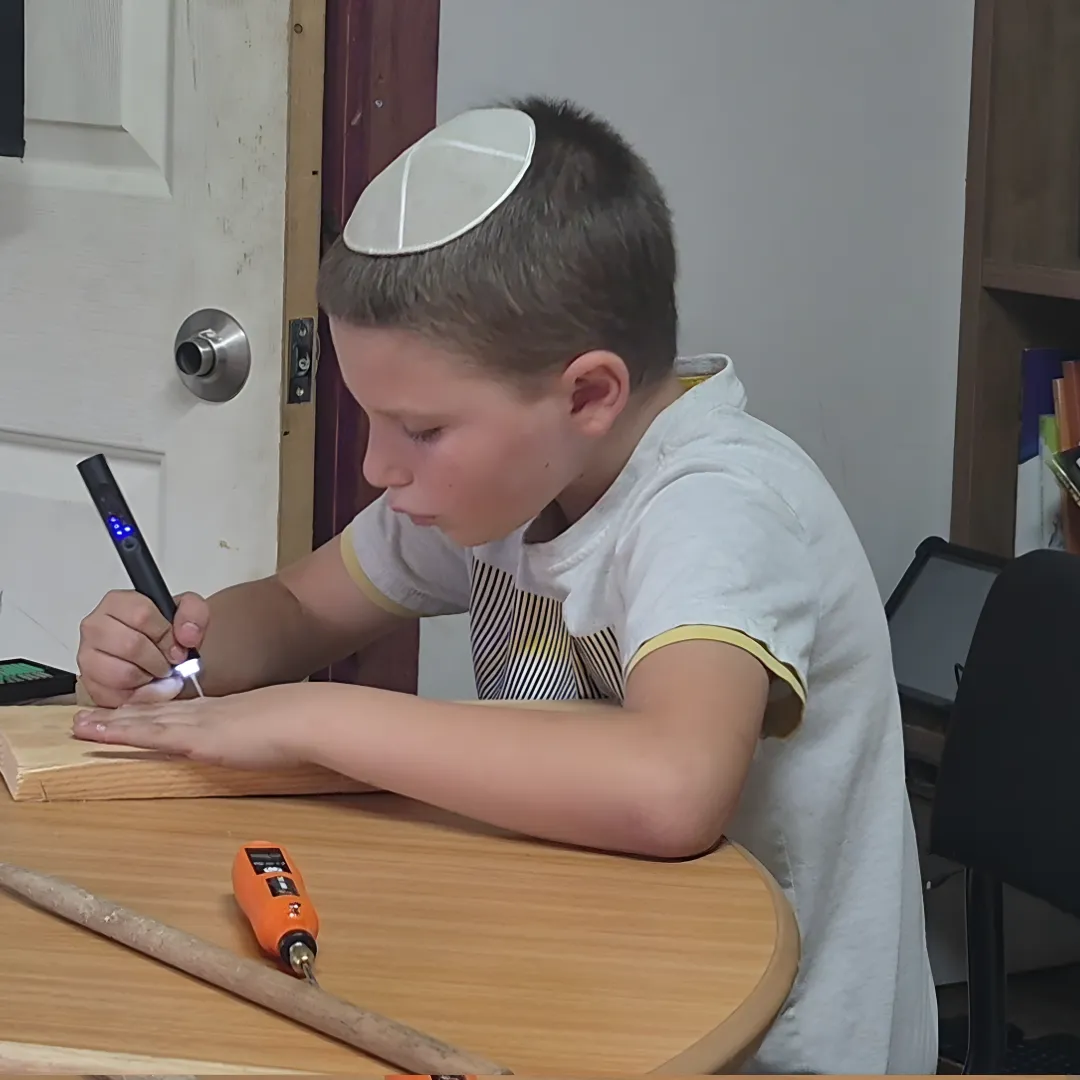
Our students are emerging leaders and autonomous learners who have never felt comfortable in a standard classroom. They are curious, intuitive, and independent thinkers who do not function well in environments built on uniform pacing, constant external control, and low autonomy.
They thrive when given meaningful choice, clear structure, and coaching. At Bnei Neviim, they are treated as responsible agents in their own lives. They learn to make mature, self-driven decisions about how they use their time, which learning pods they join, and how they contribute to the community.
With explicit coaching, they take responsibility for their education, behavior, and relationships. The goal is that each boy learns to govern his own life—understanding consequences, planning ahead, and aligning his actions with his values, his long-term goals, and his avodas Hashem.
Our Vision and Mission
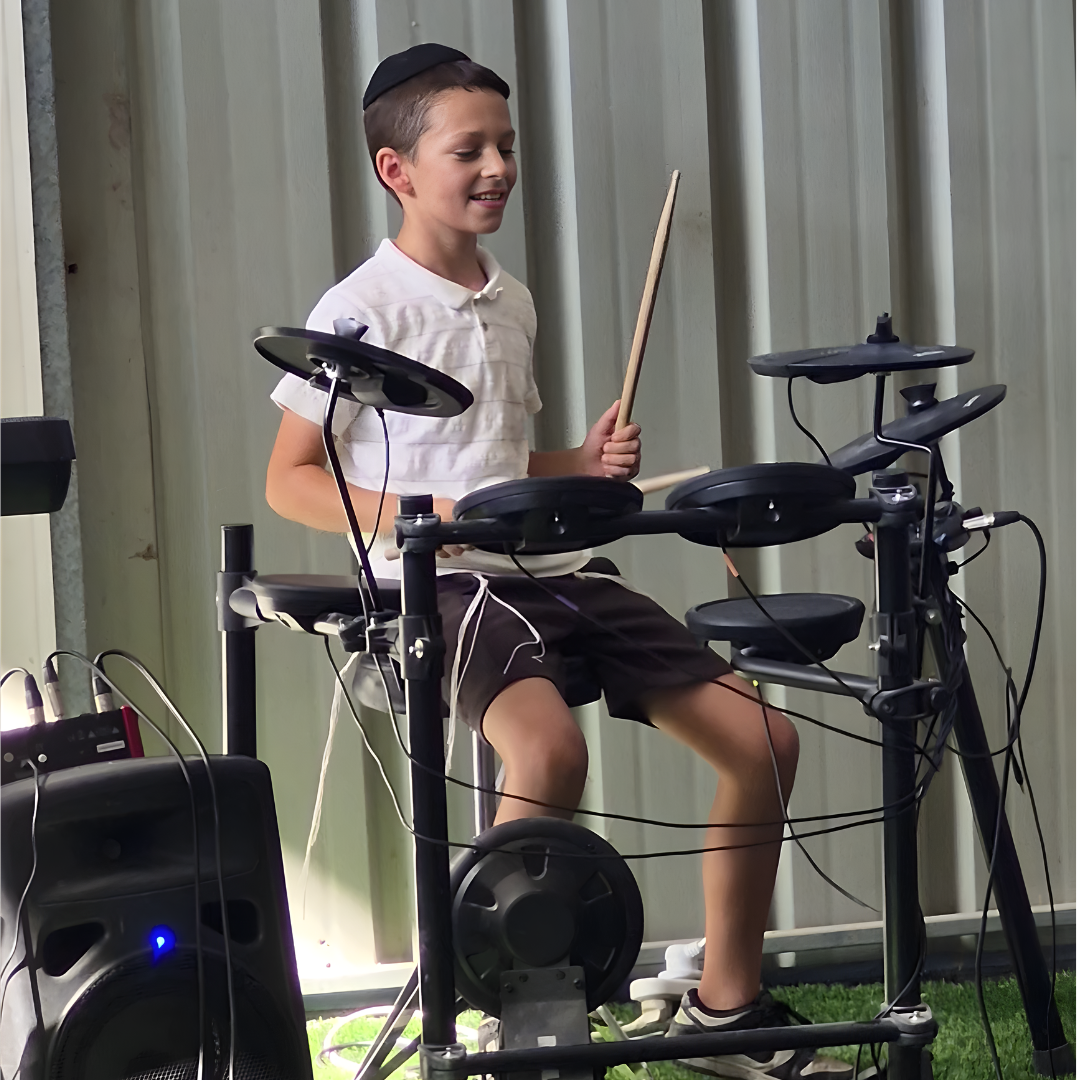
Our vision is a network of small, learner-driven Jewish communities—home-based, hybrid, and campus-based—where boys, parents, and guides share real responsibility for learning, behavior, and growth. These communities are built around integrative Torah learning, emotional literacy, and real-world responsibility.
Our mission is to create an environment where boys develop intrinsic motivation to learn, a clear sense of personal mission, and the practical skills needed to contribute to family and community. We combine developmentally appropriate Torah learning with project-based secular studies, individual coaching, and collaborative governance so that students experience both autonomy and accountability.
In this model, Rabbanim, mechanchim, and coaches are not just lecturers. They function as long-term guides who know the students well, work in partnership with parents, and help boys integrate Torah, personal growth, and future parnassah into one coherent path.
Decompression and Unschooling
Many boys arrive after years of external pressure—grades, punishments, rewards, and expectations that did not match their developmental stage or temperament. Before they can engage deeply in learning, they need a structured decompression phase.
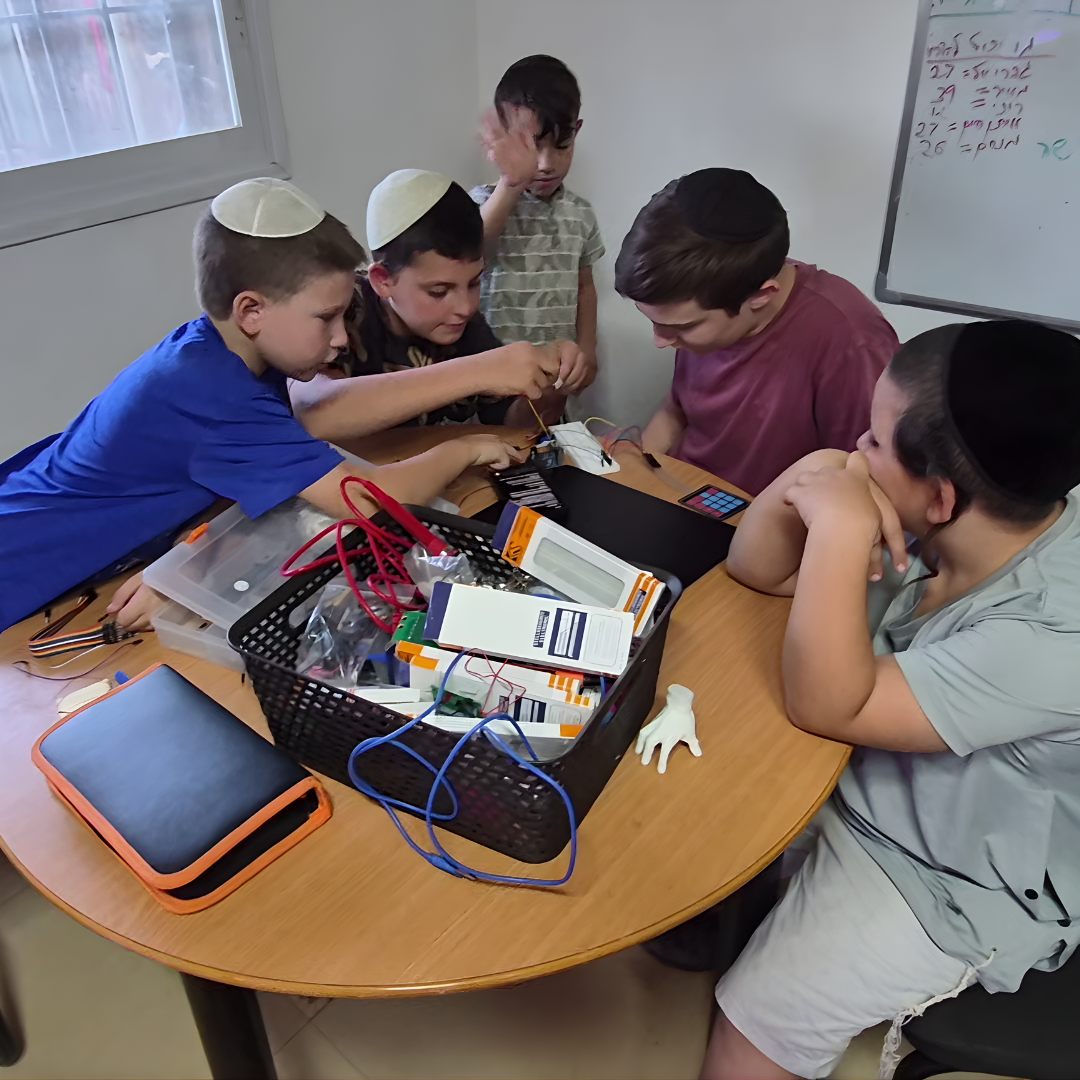
Unschooling at Bnei Neviim is not a free-for-all. It is a guided process in which we temporarily remove artificial academic pressure, increase choice within clear boundaries, and focus on rebuilding internal trust: trust in themselves, in adults, and in the learning process. During this phase, boys experiment, explore interests, and test limits while receiving consistent coaching on self-awareness, emotional regulation, and decision-making.
The goal is to transition from an externally controlled mindset to an internally driven mindset Only once this shift begins can we reasonably expect sustained effort, mastery, and responsibility.
Integrative Torah Learning
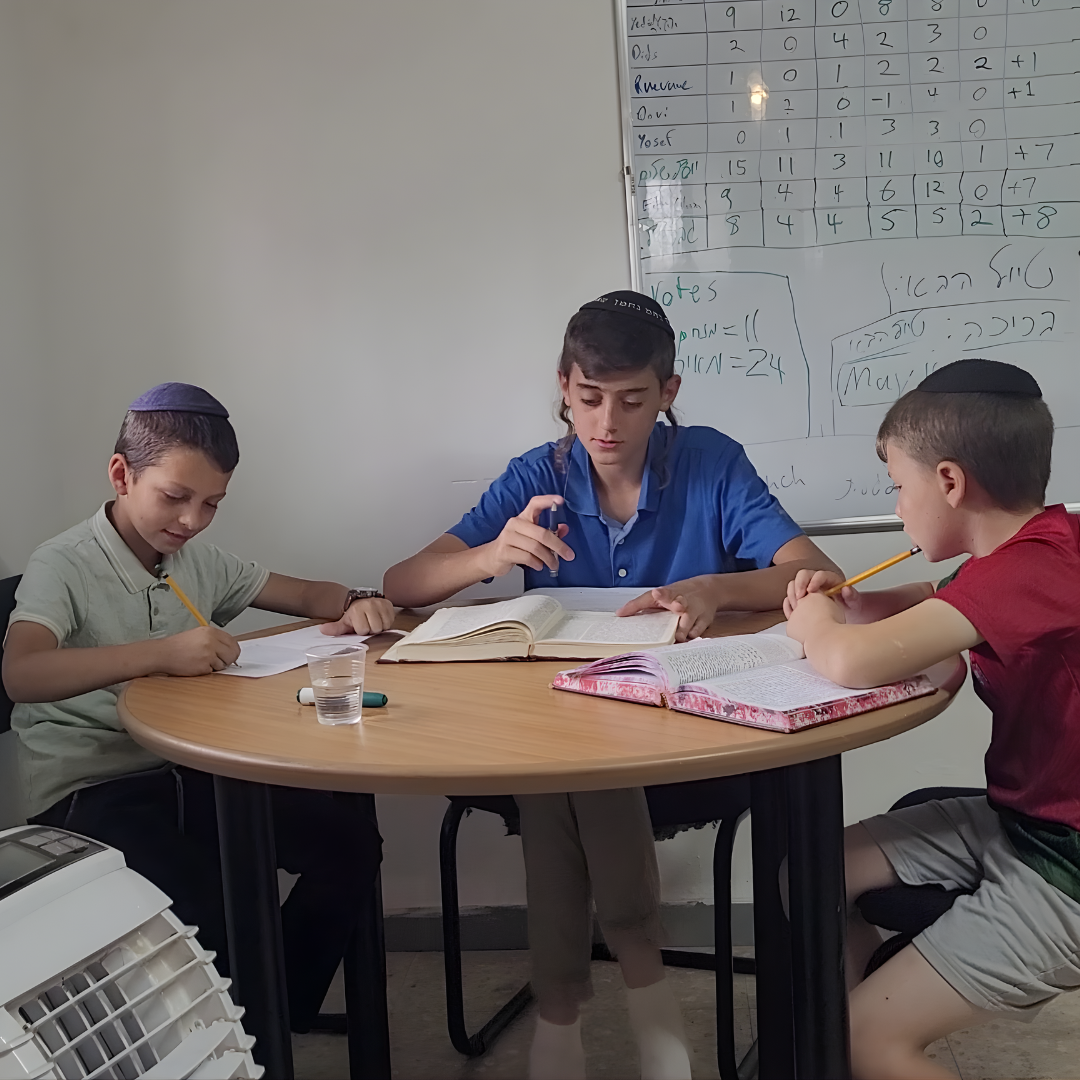
Torah learning at Bnei Neviim is experiential, integrative, and anchored in real-life questions. Torah is presented as a living framework for decision-making, relationships, and inner work—not as disconnected information to memorize.
We emphasize sources that speak directly to the students’ current stage of growth: emunah, middos, self-awareness, conflict, responsibility, and purpose. Boys are encouraged to bring real scenarios from their lives into the learning, and to ask direct, sometimes difficult questions. Guides treat these questions as essential material, not as disruptions.
Within this, we follow a staged progression:
In the earlier years, the focus is on Mikra—Chumash and Midrashim that engage imagination and build a strong emotional and conceptual connection to Torah values and stories.
As boys mature, we introduce Mishnah as a structured world of cases, principles, and differing views, training them to identify core issues and think in concepts.
When a student has the tools and readiness, he moves into Gemara learning with support, at a pace and level that match his cognitive and emotional development.
Throughout, we give weight to mah shelibo chafetz—areas of Torah that genuinely interest the student—within a framework that still trains skills: careful reading, organizing information, understanding shakla v’tarya, and applying Torah ideas to concrete decisions. The emphasis is on comprehension, internalization, and long-term love of learning, rather than just “covering ground.”
How Learning Works Day-to-Day
The day begins with tefillah, followed by breakfast that the boys prepare and clean up together. This creates a predictable, shared routine in which basic responsibility, teamwork, and contribution are practiced daily in a concrete way.
After breakfast, there is one mandatory class in which all students learn together. This shared session anchors the day with a common focus in Torah and core concepts we are working on as a community.
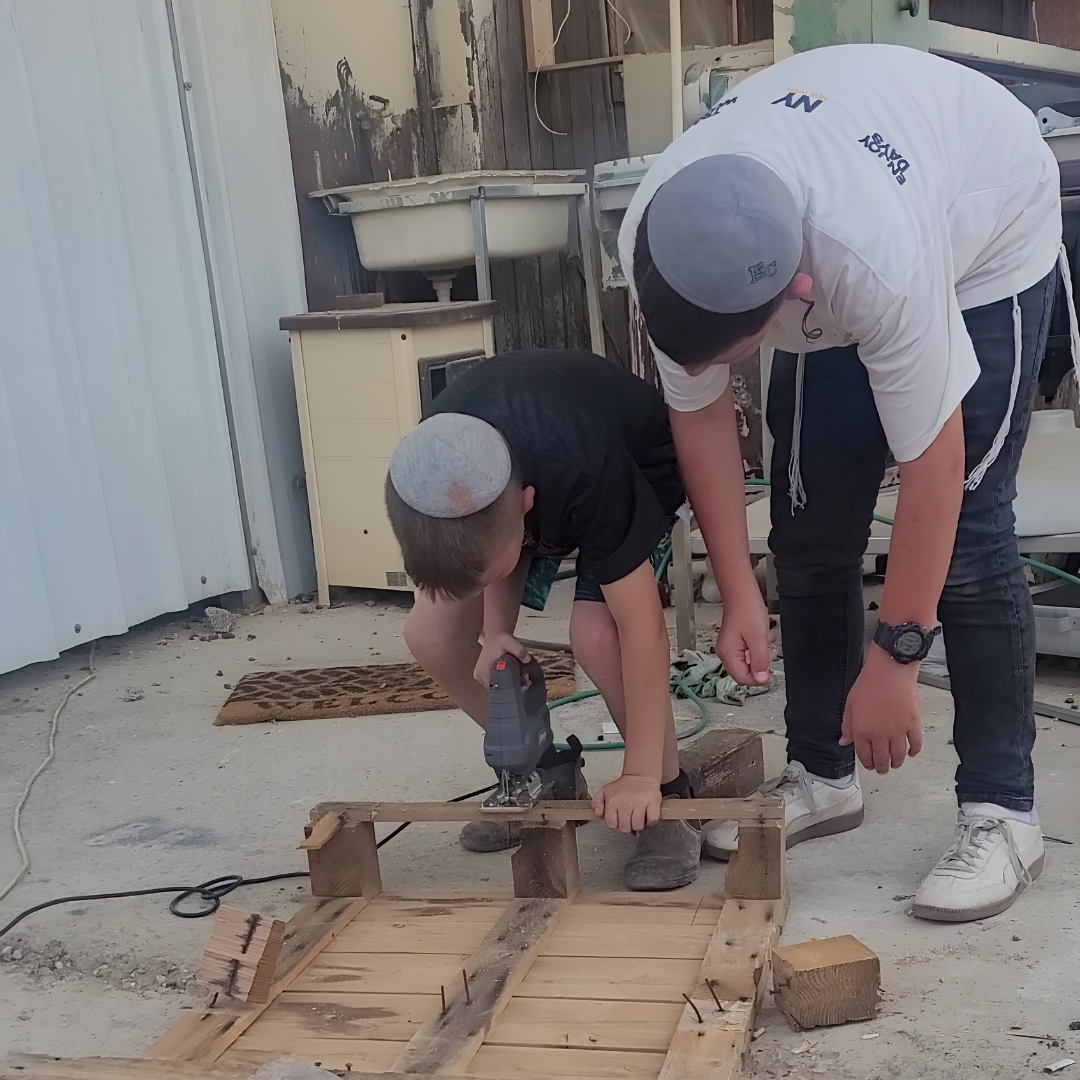
The rest of the day is organized into learning “pods.” Boys choose from hands-on project pods, business and internship pods, integrative Torah pods, and academic skill pods such as math and language. Pods are structured by level of development, not only by age, so that expectations and support match where each boy is actually holding.
Younger students are guided toward consistent pods so they always know where they are expected to be. Older students are coached to sign up for specific pods in advance, manage their schedules, and track their commitments. Guides follow attendance and engagement in real time, not for punishment, but to give precise feedback on reliability, follow-through, and use of time. The structure is flexible; the accountability is specific and concrete.
Leadership, Life Skills, and Real-World Work
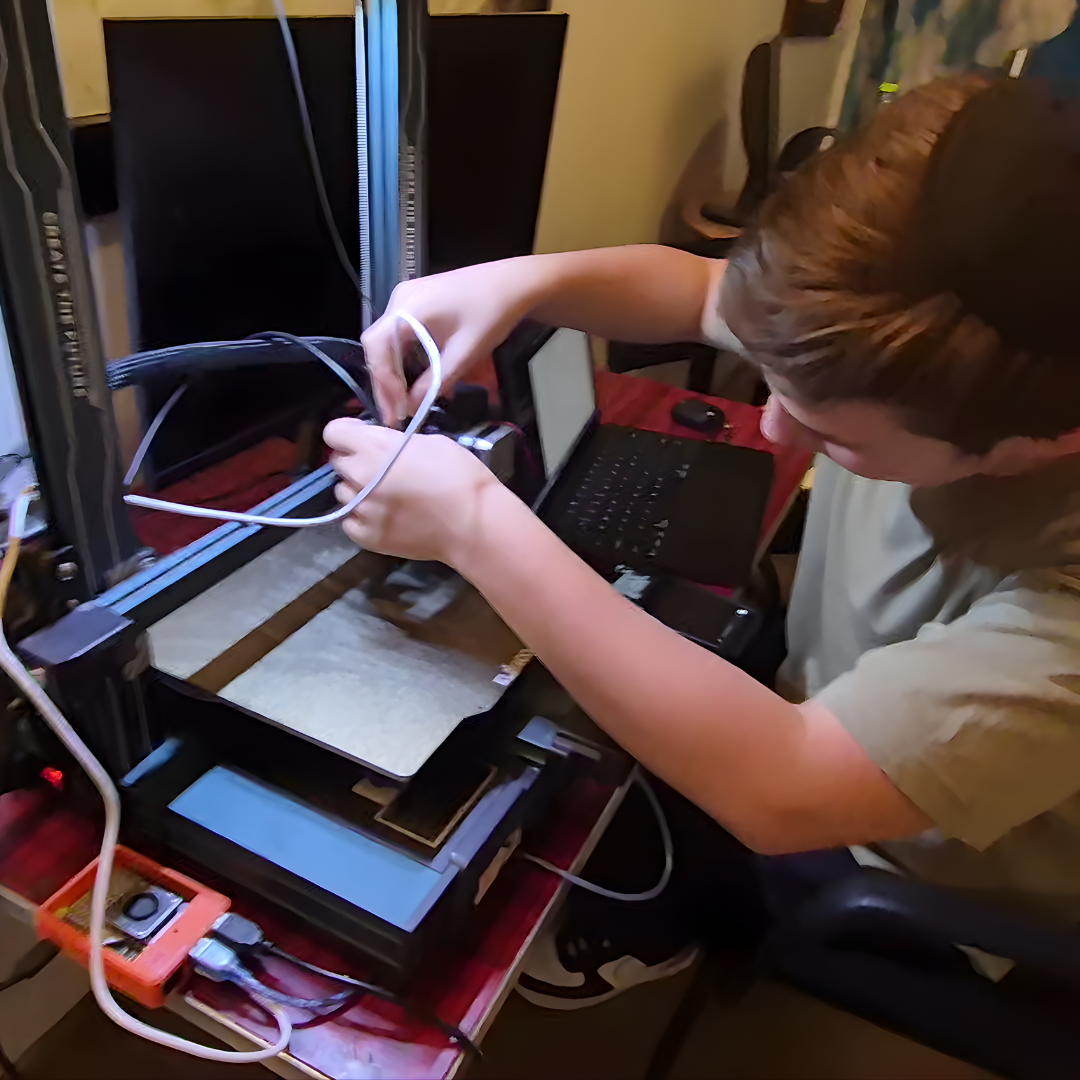
We explicitly teach and measure core life skills: communication, responsibility, problem-solving, collaboration, emotional regulation, initiative, and self-directed learning. These skills are practiced in real tasks—running toranut and clean-up, managing group projects, supporting younger students, and delivering work to real people and organizations.
An internal badge system tracks growth across these domains. As boys demonstrate reliability and competence, badges unlock higher levels of responsibility: participation in paid work, internal roles in running school systems, and access to client or internship projects. Advancement is based on observable behavior and consistent follow-through rather than impressions.
Each student receives a portfolio that documents both hard and soft skills: concrete projects completed, tools and platforms used, and evidence of planning, teamwork, and leadership. This portfolio replaces a superficial report card with a real record of capability.
From a Torah perspective, this fulfills the obligation to prepare a child for parnassah in a way that is aligned with his strengths, values, and long-term mission. Instead of only learning about work, boys practice earning, budgeting, and delivering value while still within a guided framework.
Parents as Partners in Self-Governance
Our model depends on parents who are willing to move from control and short-term fixes to coaching and long-term development. We do not run a behavior-management system in which the school controls everything and parents are observers.
Parents are involved in setting expectations, understanding the coaching language we use with their sons, and reviewing patterns in behavior and growth over time. We help parents replace bribery and threats with clear boundaries, values-based conversations, and natural consequences that are consistent between home and school.
When school and home use the same concepts—intrinsic motivation, stages of growth, self-governance, responsibility—the boy experiences stability and clarity. This consistency is often the key factor that allows deep, lasting change in behavior, learning, and religious commitment.
Rabbi Shloimie Dratler
I’m originally from North Miami Beach, Florida, and today I live in Ramat Beit Shemesh Gimel with my wife and our five kids. After more than a decade of working with teens, and especially after my own son had a painful experience in school, I became deeply involved in education and the science of intrinsic motivation. I realized that by fundamentally revamping our education system, we can prevent much of the mental illness plaguing our communities—we are selling our kids short when school is not built around their souls.
My mission is to build educational institutions designed for Yimos HaMashiach: places of integrative Torah learning where U’malah ha’aretz de’ah es Hashem is not just a pasuk we quote, but a reality we actively create with our children every day.
Partner With us to Build The Future Of Jewish Education
Your donation goes directly towards
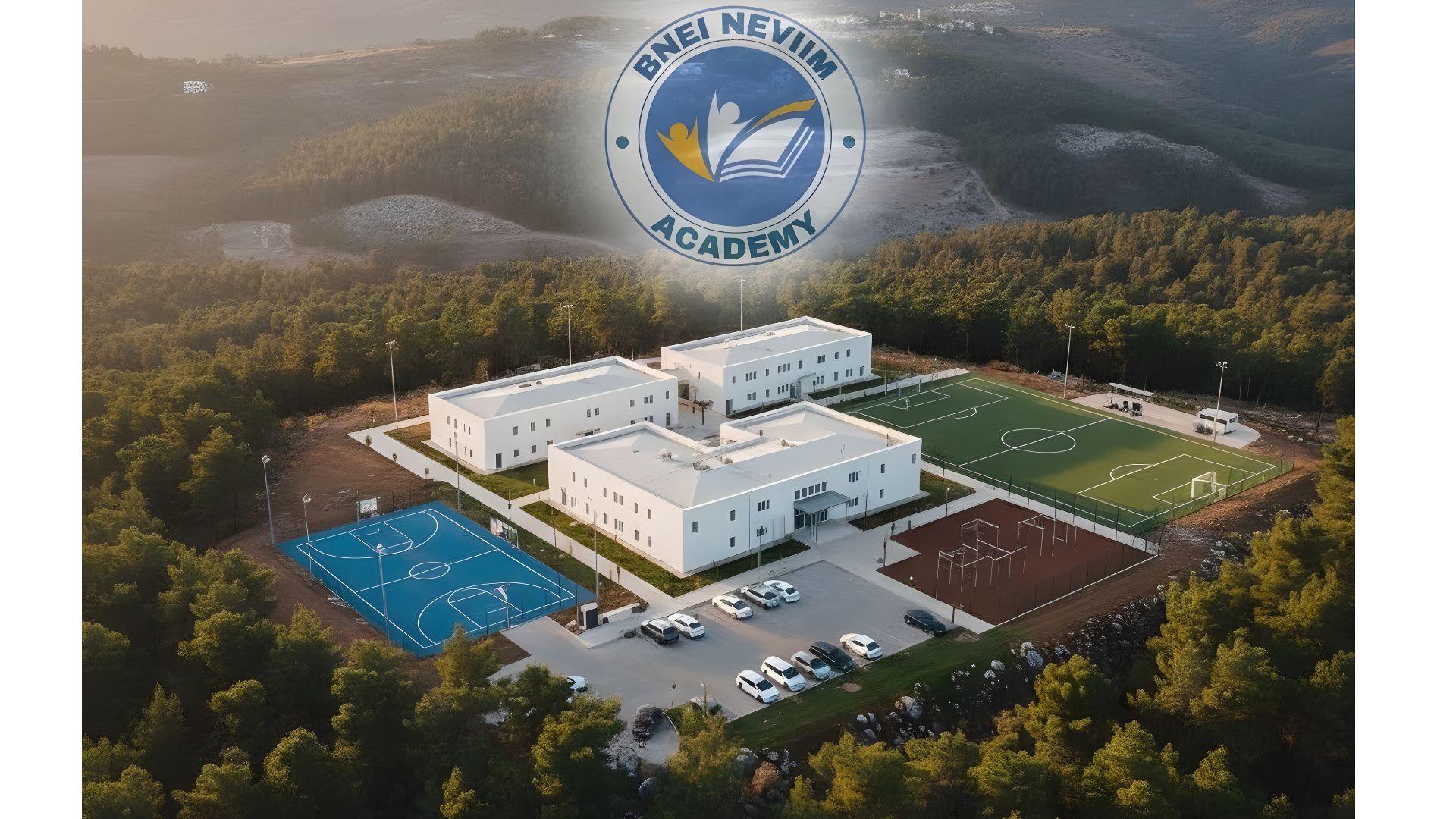
Building a sustainable, mixed-ages legal campus in Beit Shemesh where boys who don't fit the system can thrive.
Developing the full legal and organizational infrastructure — licensing, compliance, accountability, and a strong base of committed supporters.
Advancing Jewish education by integrating child-centered modalities, emotional health, life skills, and self-governance, directly into serious, joyful Torah learning.


